
F(ocus) 1: The Science of Flow State
Julian Cardenas-Moncada
Illustrations by Nancy Duer
F(ocus)1: The Science of Flow State
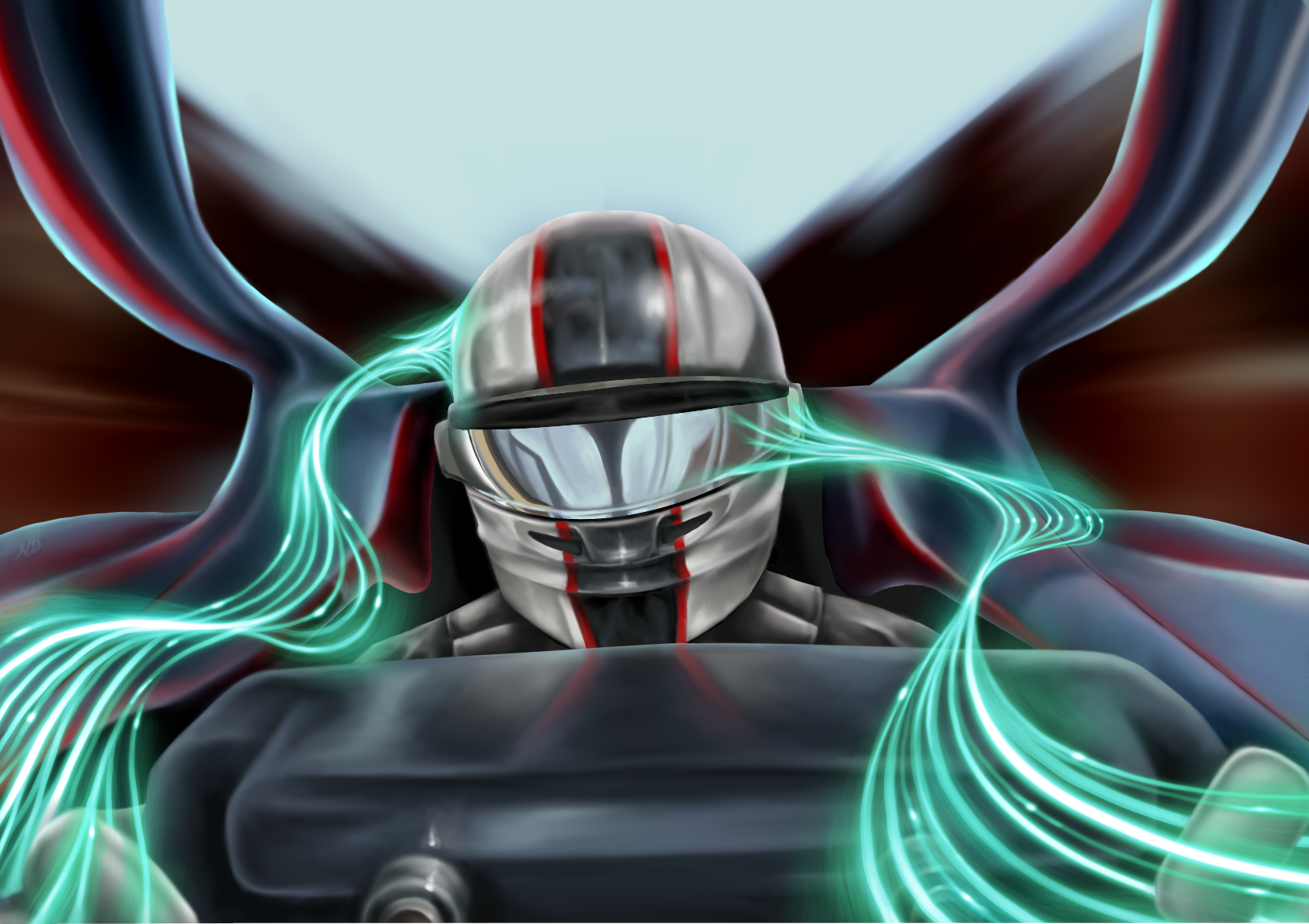
Sitting in a carbon-fiber cockpit while driving at approximately 200 miles per hour, British Formula 1 driver Lewis Hamilton crossed the finish line in a flash. Despite the waving checkered flag and roaring crowd, Hamilton kept driving at full speed, unaware he had just won the 2020 Spanish Grand Prix. During the race, Hamilton’s attention had remained focused on one goal: making each lap better than the last. Speaking to reporters after the race, he described being ‘in a different zone,’ so focused that he ‘didn't even know it was the last lap’ [1]. In high-stakes Formula 1 racing, drivers make countless micro-decisions at extreme speed, where the difference between winning and losing can be measured in millimeters or milliseconds [2]. The phenomenon that Hamilton experienced during the Grand Prix illustrates flow state. First conceptualized in 1975, flow is a psychological state of deep task absorption characterized by intense concentration and reduced self-awareness, often emerging when skill and challenge are matched [3]. Flow leads to sharper attention, increased motivation, reduced self-consciousness, and a feeling of time distortion [4]. These traits have framed flow as a highly sought-after mental state desired among athletes, academics, and others striving to achieve peak productivity [4, 5]. Flow has recently gained popularity in online media through the TikTok trend ‘genuinely achieving flow state.’ These representations are inaccurate as flow is not a switch that can be flipped on instantaneously, but rather a complex mental state that, when given the right conditions, can be achieved by almost anyone [6, 7].
Entering the Zone
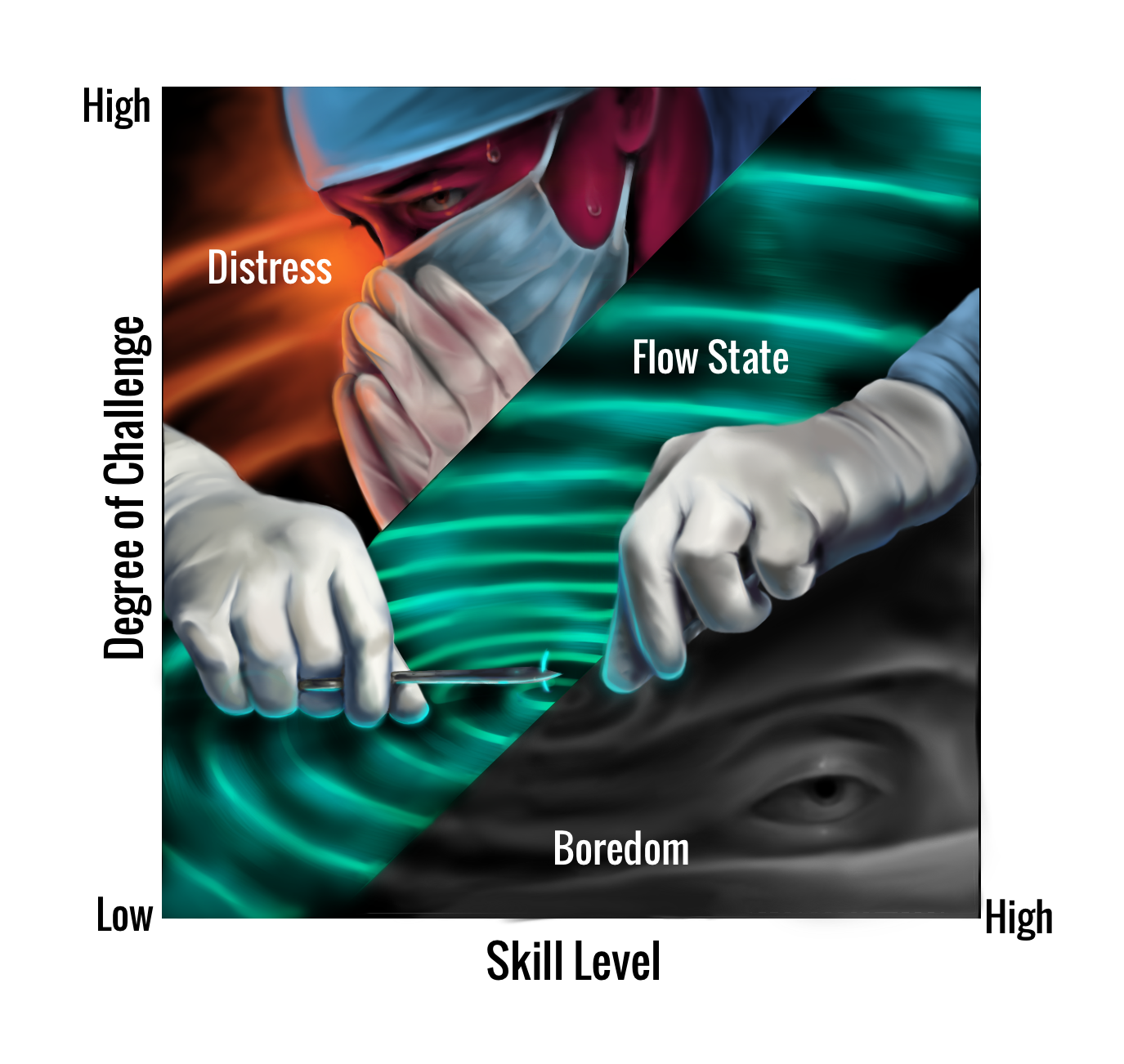
In day-to-day life, there are times when it feels as though stress overrides our choices, making already daunting tasks even more difficult. Stress is a physiological and psychological state that arises from a perceived threat and may even prevent a stressed individual from achieving their goals [8]. However, stress is not always negative; counterintuitively, it can positively impact an individual. Eustress is defined as a positive response to challenges that arise from successful goal-directed actions, meaningful momentary experiences, and stable personality qualities like resilience and optimism [9]. Stress, specifically while one is actively engaged with a challenging task, may become motivational when the task is perceived as both manageable and personally meaningful. [9, 10]. When motivational stress arises, individuals are more likely to enter and sustain flow [5, 11, 12]. This characteristic of flow can be observed across different high-performance domains, such as professional athletes or highly skilled musicians [13, 14]. Sustaining focus during a performance involves not only technical expertise but also the ability to manage the stress that comes from performing. When highly skilled musicians perceive a stress-inducing situation as a manageable challenge — viewing a concert as a creative opportunity rather than a threat — the resulting eustress can actually enhance performance [13, 14]. This positive stress response is most effective when the demands of the task are balanced with the performer's mastery [3]. By aligning high-level skills with these situational demands, musicians can sustain the deep engagement necessary to enter a state of flow [15]. While skill and stress management set the stage for entering flow, motivation can also propel an individual toward flow. When an individual is highly motivated to complete a task, they tend to invest more energy into achieving their goal [16]. An individual’s motivation is often multifaceted, comprising both extrinsic and intrinsic components. However, not all forms of motivation can lead to deep engagement [16]. Extrinsic motivation may come from recognition or rewards, such as winning a prize or a medal, whereas intrinsic motivation comes from within oneself, such as participating for the pure enjoyment of playing a sport [17, 18, 19]. These forms of motivation can coexist and may shift over time, depending on the individual and the task. At the beginning of their careers, some athletes may experience largely extrinsic motivation, including the glory of winning, gaining popularity, or making their family proud. As their skills and passion for the sport develop, though, they may become more intrinsically motivated [19]. Ongoing research suggests that flow and intrinsic motivation are closely associated with one another, and it can ultimately be difficult to determine whether one necessarily leads to the other [17]. The combination of internal enjoyment and sense of accomplishment can make the activity itself rewarding, creating a self-sustaining cycle of motivation [20]. In other words, engaging in intrinsically rewarding activities increases the likelihood of entering flow, and experiences with flow in turn reinforce continued participation [18].
Shifting Into Flow
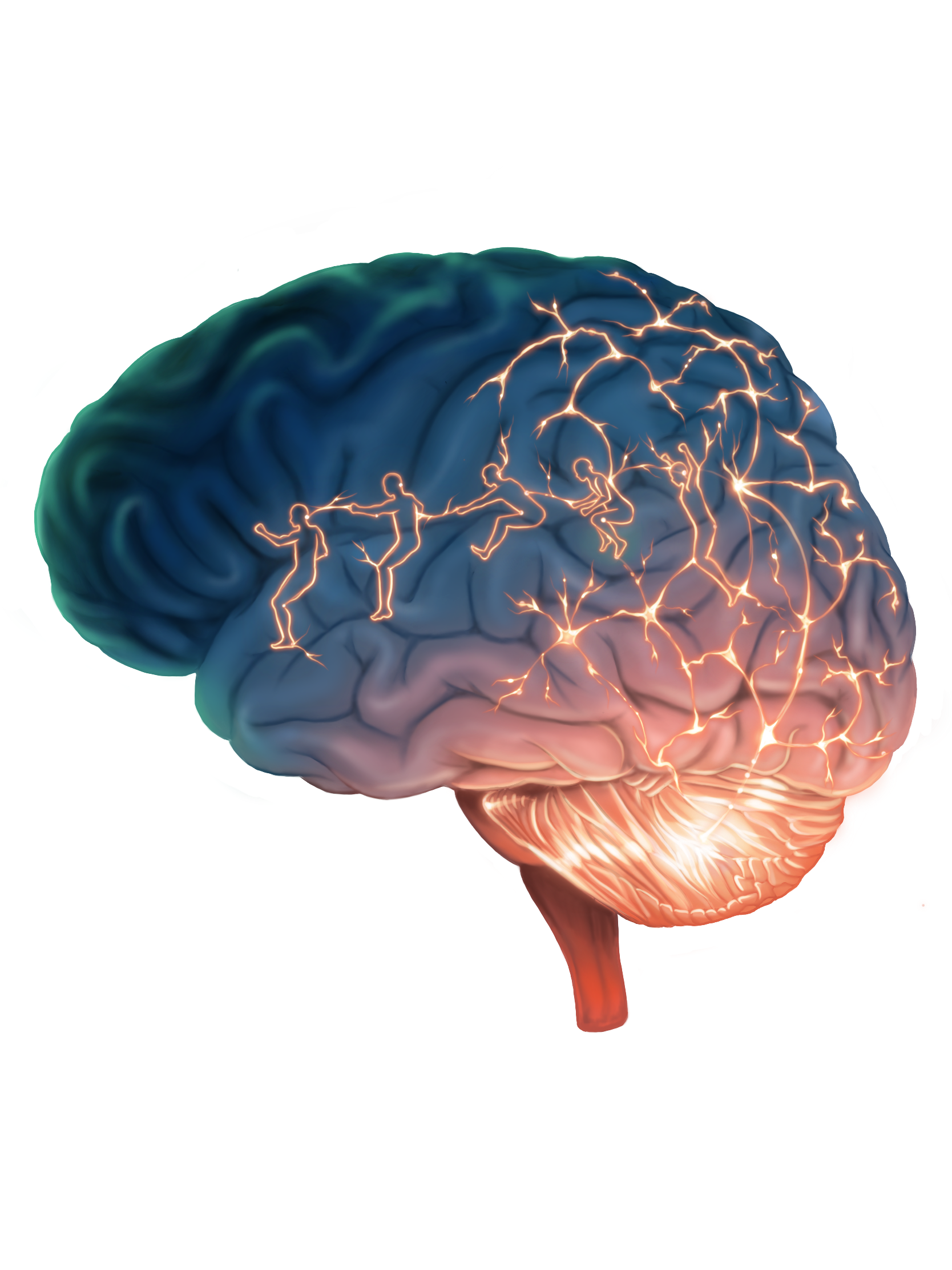
The relationship between intrinsic motivation and sustained engagement is closely tied to the brain’s reward systems — interconnected brain structures that rely on dopamine, a chemical that is involved in signaling reward prediction, motivation, and learning [21, 22]. During a task, a continuous loop of action and feedback facilitated by dopamine-releasing brain cells in the reward pathways helps sustain engagement and motivation [11, 23]. The striatum, a brain region that plays a critical role in decision-making, motor control, and reward processing, mediates a portion of this process [24]. The striatum is also involved in the interpretation of reward prediction error (RPE), a part of the reward system that differentiates between an expected outcome and reality. When an outcome turns out to be better than expected, the behavior responsible for the outcome is reinforced, and future similar actions will become more efficient and automatic [24]. Although RPE is a distinct neural process that occurs independently from flow, the increased automaticity it can produce may serve to significantly increase the likelihood of transitioning into flow [4, 25]. Activities that provide rapid, continuous feedback are particularly effective in supporting reward prediction, encouraging an environment optimal for flow [25]. Surgery is a prime example of how uninterrupted environmental feedback can enhance performance. While operating, a surgeon receives continuous visual and tactile feedback that informs their next excision or retraction, helping maintain focus [4, 6, 26]. The putamen, a structure integral to the brain's dopaminergic reward system and responsible for motor control and self-regulation, is also implicated in flow [27, 28]. The putamen responds to performance-related feedback during task engagement, helping to reinforce and automate the precise motor responses required for flow [28]. Repeated reinforcement supports perception-action coupling — the process by which sensory information is continuously integrated with motor responses — allowing individuals to respond more efficiently with less conscious effort [29, 30]. This intrinsic reward system ensures that the flow state is not just an event happening at peak performance, but rather a self-reinforcing experience that individuals are neurobiologically wired to seek out [12, 31].
The Key to the Course
The trance-like concentration that led Lewis Hamilton to keep driving even after he had officially won the 2020 Spanish Grand Prix illustrates how it feels to experience flow [1]. As opposed to conscious monitoring of each movement, actions unfold automatically, awareness of the passage of time fades, and peak performance can be achieved [4, 12, 32]. Given the complex nature of flow, no single theory can fully explain how the state occurs in the brain [11]. Nonetheless, current models provide a useful framework for understanding flow, suggesting that it is the result of shifting activity between large-scale brain networks [11, 20, 32]. The task-positive network (TPN) is a broad term used to describe brain networks that increase in activity during externally directed attention and are thought to support focus, problem-solving, and goal-oriented action [33, 34]. In contrast, the default mode network (DMN) is associated with self-referential thoughts, which include mind-wandering and evaluation of past or future events [34]. Additionally, the Salience Network (SN) filters internal and external stimuli and allocates resources to either the TPN or DMN depending on which network is perceived as relevant [25] During flow, the SN allocates resources towards the TPN to focus attention on external stimuli [11]. Think of a cellist performing in an orchestra: while on stage waiting for their cue, they are flooded with internal and external stimuli. As their mind wanders internally between various self-referential thoughts, their external focus remains on the director. However, once their cue approaches and the moment at hand becomes more important, the SN begins to shift activity from the DMN, the cellist’s internal thoughts, to the TPN, their focus on the director’s movement. During flow, the SN is theorized to heavily prioritize the TPN over the DMN’s noisy chatter, leading to attention being shifted externally rather than internally [11, 33].
A complementary model for the reduced self-awareness and externalized attention characteristic of flow is the transient hypofrontality hypothesis (THH), which proposes that intense focus temporarily reduces activity in parts of the prefrontal cortex [35]. The prefrontal cortex is a brain region associated with many important cognitive processes, such as self-monitoring and conscious control, and is thought to be a key part of the DMN [12, 35]. As reduced prefrontal activity may limit self-referential thought through reduced DMN activation, the THH could help explain the diminished self-awareness experienced during flow [11, 12, 38]. Furthermore, as expertise increases, sustaining flow may require new challenges in which decreased DMN activity allows for creative adaptability [36]. As one becomes highly skilled in their field, the simple act of performing a task they've already mastered is no longer a challenge, and challenge-to-skill matching becomes dependent on adapting to spontaneous ideas that are shaped in real time. In creative performance contexts, such as jazz improvisation, highly experienced musicians show decreased DMN activity and increased creativity during high-flow performances. When DMN activity decreases, creative ideation increases, presenting a new challenge that the performer must adapt to. As such, the decreased DMN activity both encourages flow through challenge-to-skill matching and allows the musician to perform more fluidly and creatively [37].
Similarly, digital environments such as video games are likely to lead to flow because they are associated with an increased activation in the TPN and decreased activity in regions of the prefrontal cortex [39]. They are often designed to maintain a close balance between skill and challenge, while also providing clear goals and immediate feedback [40]. These features help sustain focused, externally directed attention and minimize boredom, frustration, and excessive self-monitoring, making games a particularly useful model for understanding the cognitive conditions that support flow [40]. Moderate levels of challenge produce the highest levels of engagement, while tasks that are too easy or too difficult result in lower activation [39]. Hence, the relationship between challenge and engagement in interactive tasks supports the idea that flow occurs when attention is optimally engaged and self-referential processing is suppressed [11, 41]. Together, these mechanisms suggest that flow may arise from a coordinated shift in brain activity [32]. This dynamic balance reduces self-awareness and enables efficient, automatic performance, producing the immersive, ‘being in the zone’ experience typical of flow [11].
Missing the Checkered Flag
When in flow, people can experience a sense of time distortion — the minutes may fly by or slow down [42]. We all rely on internal timing systems that help regulate both long-term biological rhythms and moment-to-moment time perception [43, 44]. Brain regions such as the basal ganglia and prefrontal cortex help keep track of incremental time changes by integrating rhythmic signals to estimate how much time has passed [45]. Under typical conditions, these signals are continuously monitored, enabling us to judge how much time has elapsed [46]. However, during flow, the combination of reduced activity in the DMN and prefrontal cortex, heightened attentional engagement, and efficient motor execution alters how this timing information is processed [4]. For a professional driver like Lewis Hamilton, maintaining this level of concentration is vital; the brain prioritizes rapid motor execution and environmental feedback, and the typical signals used to track the passage of time are deprioritized. The time distortion could make the hours of high-speed racing feel like mere minutes, or, conversely, a single split-second maneuver feel long.
Notably, time distortion is not merely a subjective feeling — it is one of the few aspects of flow that can be represented quantitatively [42]. While many features of flow, such as enjoyment or a sense of control, rely on personal experience, shifts in time perception can actually be measured through differences between perceived and actual time lapses. During flow, reduced self-referential thinking and sustained attention lead to fewer internal thoughts and distractions. Conceptually, this translates to reduced temporal awareness, which contributes to a compressed sense of time [11]. Simultaneously, continuous engagement in perception-action coupling — where what you see is immediately translated into action — keeps your attention fully occupied with the task, reducing opportunities for conscious monitoring and contributing to a diminished awareness of time [29, 30, 45]. For instance, when driving a car, you are constantly reacting to changes in the road by slightly adjusting the wheel [47]. Since your attention is fully focused on these ongoing adjustments, you are less aware of how much time has passed [48]. The consistent measurement of the difference between perceived and actual time following certain tasks provides a useful measure of deep attentional engagement without requiring individuals to refocus attention on themselves during the task. Consequently, by bridging the gap between a person’s inner experience and their measurable brain activity, temporal time distortion offers useful evidence that someone is experiencing flow. Although this observation presents a useful framework to understand flow, it also highlights a key challenge: directly assessing the experience can disrupt it [42].
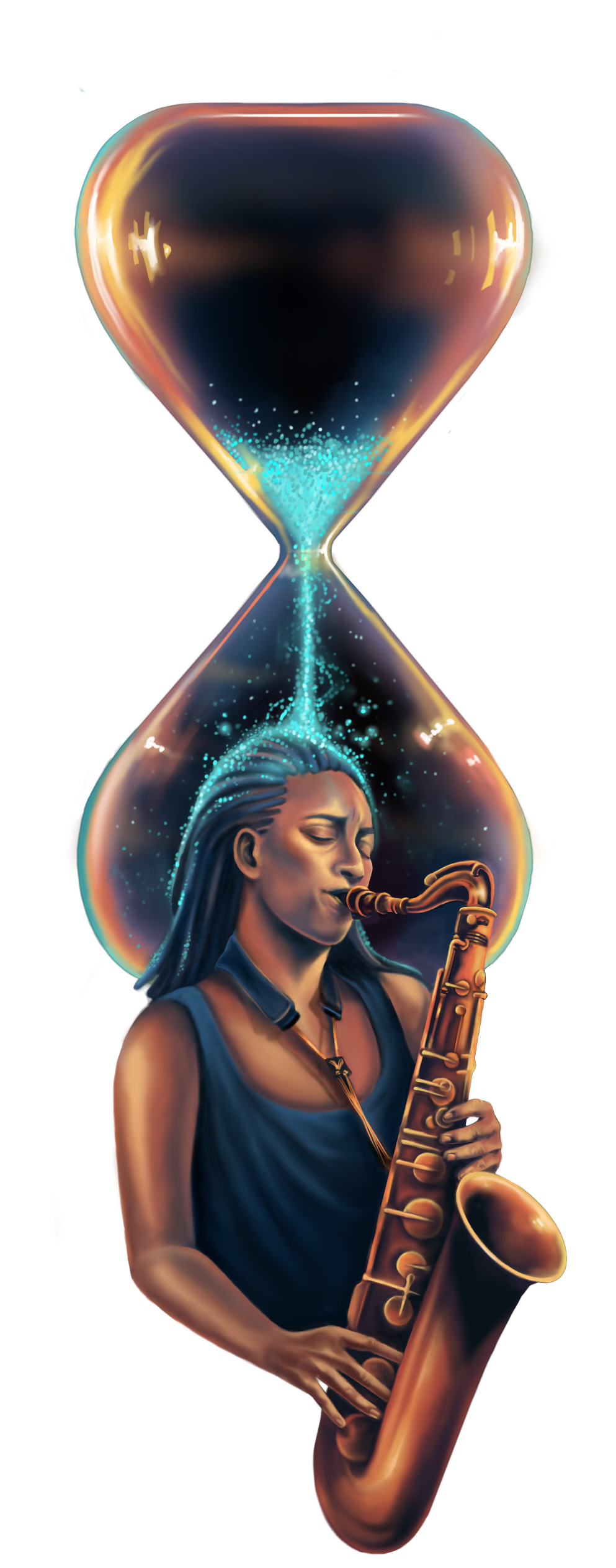
Pit Stops You Can Make to Foster Flow
Even without specific craft mastery or professional expertise, individuals can increase their likelihood of entering a state of flow through practices such as meditation and temporally structured learning [39, 42]. Rooted in ancient cultural traditions, meditation has long been used to quiet the mind and deepen one’s connection to the surrounding environment [49]. In modern contexts, it has gained recognition for its mental health benefits, including reducing stress and anxiety while promoting present-moment awareness [50]. Beyond these benefits, research suggests that meditation may also support some of the neural pathways associated with flow states [51]. Engaging in focused breathing and sustained attention during meditation can temporarily alter brain activity and has been associated with changes in brain connectivity and plasticity [52, 53]. In particular, meditation appears to influence connectivity across the TPN, the DMN, and the SN, supporting sustained focus and efficient performance. These neuronal changes enable executive control regions, such as the frontal lobes, to redirect attention away from internal distractions toward what is happening in the present moment [37, 54, 55]. As a result, meditation functions not only as a tool for relaxation but also as a form of cognitive training that may help to create an environment in which the brain can more readily enter flow [50, 52, 56].
Structuring tasks to facilitate sustained focus can also help induce flow. When studying, breaking material into manageable chunks while gradually tackling more challenging concepts can help maintain engagement without becoming overwhelming [7, 11]. The Pomodoro method, which alternates 25 minutes of focused work with 5-minute breaks, is one example of how to set clear goals and support the kind of sustained, task-oriented concentration associated with flow [57]. Additionally, activities that provide rapid and continuous feedback, such as using quick succession flashcards, are particularly effective in supporting reward prediction and fostering an ideal environment for flow [58]. Taken together, these study methods draw on key components of deep engagement and significantly increase the chances of entering flow [7].
The Victory Lap
Like many other self-evaluating reports, Lewis Hamilton’s account exemplifies the continuously evolving theory that demonstrates the benefits that flow can have in performance and action. As we have seen, flow is a state of deep focus in which attention becomes fully absorbed in an activity, self-referential thoughts fade, and the passage of time may feel altered. Moreover, flow typically arises when skill and challenge level are matched, motivation is sustained, and attention is directed towards the task at hand [9, 11, 20]. Although current research suggests that flow may involve shifts across large-scale brain networks and reduced self-referential processing, these findings are not consistent, and no single neuroscientific model can completely explain the phenomenon [32]. Instead, existing studies provide a useful framework for understanding how flow may arise [11, 12, 20]. Even without a complete neurological account, however, flow remains an extremely valuable concept both scientifically and practically. Through clear goals, balanced challenges, reduced distractions, and trained attention, flow cultivates deeper engagement. In doing so, flow provides insight into the regions and mechanisms of the brain that direct focus while also generating practical strategies for enhancing performance, strengthening motivation, and making activities more intrinsically rewarding across both professional and everyday contexts [39, 42, 50].
References
YouTube. (2020). Lewis Hamilton’s Record, Valtteri Bottas Gets Hot And The Best Team Radio | 2020 Spanish Grand Prix. YouTube. https://www.youtube.com/watch?si=zOa-V0ciVKVW4l6R&v=JvYiin5gClQ&feature=youtu.be
Ziv, G. (2024). An ecological and embodied approach for training the racecar driver. Frontiers in Sports and Active Living, 6. doi:10.3389/fspor.2024.1415406
Kotler, S., Mannino, M., Kelso, S., & Huskey, R. (2022). First few seconds for flow: A comprehensive proposal of the neurobiology and neurodynamics of state onset. Neuroscience & Biobehavioral Reviews, 143(104956), 104956. doi:10.1016/j.neubiorev.2022.104956
Harris, D. J., Vine, S. J., & Wilson, M. R. (2017). Neurocognitive mechanisms of the flow state. Progress in Brain Research, 234, 221–243. doi:10.1016/bs.pbr.2017.06.012
Antonini Philippe, R., Singer, S. M., Jaeger, J. E. E., Biasutti, M., & Sinnett, S. (2022). Achieving Flow: An Exploratory Investigation of Elite College Athletes and Musicians. Frontiers in Psychology, 13. doi:10.3389/fpsyg.2022.831508
Gale, M. K., Baker-Matsuoka, K., Nisky, I., & Okamura, A. M. (2025). Effect of Performance Feedback Timing on Motor Learning for a Surgical Training Task. IEEE Transactions on Biomedical Engineering, 1–10. doi:10.1109/tbme.2025.3621106
Peifer, C., Wolters, G., Harmat, L., Heutte, J., Tan, J., Freire, T., Tavares, D., Fonte, C., Andersen, F. O., van den Hout, J., Šimleša, M., Pola, L., Ceja, L., & Triberti, S. (2022). A Scoping Review of Flow Research. Frontiers in Psychology, 13. doi:10.3389/fpsyg.2022.815665
James, K. A., Stromin, J. I., Steenkamp, N., & Combrinck, M. I. (2023). Understanding the relationships between physiological and psychosocial stress, cortisol and cognition. Frontiers in Endocrinology, 14(1). doi:10.3389/fendo.2023.1085950
Kloidt, J., & Barsalou, L. W. (2024). Establishing a Comprehensive Hierarchical construct of Eustress (CHE). Current Psychology, 43. doi:10.1007/s12144-024-06750-7
Uphill, M. A., Rossato, C. J. L., Swain, J., & O’Driscoll, J. (2019). Challenge and Threat: A Critical Review of the Literature and an Alternative Conceptualization. Frontiers in Psychology, 10(1). doi:10.3389/fpsyg.2019.01255
Lu, H., Van der Linden, D., & Bakker, A. B. (2025). The neuroscientific basis of flow: Learning progress guides task engagement and cognitive control. NeuroImage, 308, 121076. doi:10.1016/j.neuroimage.2025.121076
Gold, J., & Ciorciari, J. (2020). A Review on the Role of the Neuroscience of Flow States in the Modern World. Behavioral Sciences, 10(9), 137. doi:10.3390/bs10090137
Irie, N., Morijiri, Y., & Yoshie, M. (2023). Symptoms of and coping strategies for music performance anxiety through different time periods. Frontiers in Psychology, 14. doi:10.3389/fpsyg.2023.1138922
Rowland, D. L., Moyle, G., & Cooper, S. E. (2021). Remediation Strategies for Performance Anxiety across Sex, Sport and Stage: Identifying Common Approaches and a Unified Cognitive Model. International Journal of Environmental Research and Public Health, 18(19), 10160. doi:10.3390/ijerph181910160
Aust, F., Beneke, T., Peifer, C., & Wekenborg, M. (2022). The Relationship between Flow Experience and Burnout Symptoms: A Systematic Review. International Journal of Environmental Research and Public Health, 19(7), 3865. doi:10.3390/ijerph19073865
Huskey, R., Craighead, B., Miller, M. B., & Weber, R. (2018). Does intrinsic reward motivate cognitive control? a naturalistic-fMRI study based on the synchronization theory of flow. Cognitive, Affective, & Behavioral Neuroscience, 18(5), 902–924. doi:10.3758/s13415-018-0612-6
Akyol, P., & İmamoglu, O. (2019). The Relationship between Motivation and Flow States in Sports Faculty Students. Asian Journal of Education and Training, 5(3), 440–446. doi:10.20448/journal.522.2019.53.440.446
Morris, L. S., Grehl, M. M., Rutter, S. B., Mehta, M., & Westwater, M. L. (2022). On What Motivates us: a Detailed Review of Intrinsic v. Extrinsic Motivation. Psychological Medicine, 52(10), 1–16. doi:10.1017/S0033291722001611
Deci, E. L., & Ryan, R. M. (2017). Self-Determination theory in work organizations: The state of a science. Annual Review of Organizational Psychology and Organizational Behavior, 4(1), 19–43. doi:10.1146/annurev-orgpsych-032516-113108
Alameda, C., Sanabria, D., & Ciria, L. F. (2022). The brain in flow: A systematic review on the neural basis of the flow state. Cortex, 154, 348–364. doi:10.1016/j.cortex.2022.06.005
Di Domenico, S. I., & Ryan, R. M. (2017). The emerging neuroscience of intrinsic motivation: A new frontier in self-determination research. Frontiers in Human Neuroscience, 11(145). doi:10.3389/fnhum.2017.00145
Wang, A. R., Groome, A., Taniguchi, L., Eshel, N., & Bentzley, B. S. (2020). The role of dopamine in reward-related behavior: Shining new light on an old debate. Journal of Neurophysiology, 124(2), 309–311. doi:10.1152/jn.00323.2020
Zhou, Z., Yi, L., Wang, Q., Lim, T. M., & Tan, E. K. (2023). Role of dopamine in the pathophysiology of Parkinson’s disease. Translational Neurodegeneration, 12(1). doi:10.1186/s40035-023-00378-6
Bamford, I. J., & Bamford, N. S. (2019). The Striatum’s Role in Executing Rational and Irrational Economic Behaviors. The Neuroscientist, 25(5), 475–490. doi:10.1177/1073858418824256
Linden, D., Tops, M., & Bakker, A. B. (2020). Go with the flow: A neuroscientific view on being fully engaged. European Journal of Neuroscience, 53(4). doi:10.1111/ejn.15014
Trute, R. J., Alijani, A., & Erden, M. S. (2024). Visual cues of soft-tissue behaviour in minimal-invasive and robotic surgery. Journal of Robotic Surgery, 18(1). https://doi.org/10.1007/s11701-024-02150-y
Drori, E., Cohen, L., Arkadir, D., Yahalom, G., & Mezer, A. A. (2025). Multiparametric quantitative MRI uncovers putamen microstructural changes in Parkinson’s disease. Npj Parkinson’s Disease, 11(1). doi:10.1038/s41531-025-01020-0
Pascucci, D., Hickey, C., Jovicich, J., & Turatto, M. (2017). Independent circuits in basal ganglia and cortex for the processing of reward and precision feedback. NeuroImage, 162, 56–64. doi:10.1016/j.neuroimage.2017.08.067
Zhao, S., Uono, S., Li, C., Yoshimura, S., & Toichi, M. (2018). The Influence of Self-Referential Processing on Attentional Orienting in Frontoparietal Networks. Frontiers in Human Neuroscience, 12. doi:10.3389/fnhum.2018.00199
Hutchison, R. M., & Gallivan, J. P. (2018). Functional coupling between frontoparietal and occipitotemporal pathways during action and perception. Cortex, 98, 8–27. doi:10.1016/j.cortex.2016.10.020
Peifer, C., & Tan, J. (2021). The Psychophysiology of Flow Experience. Advances in Flow Research, 191–230. doi:10.1007/978-3-030-53468-4_8
Barnett, K., & Vasiu, F. (2026). Enhanced functional connectivity between the default mode network and executive control network during flow states may facilitate creativity and emotional regulation, and may improve health outcomes. Frontiers in Behavioral Neuroscience, 19. doi:10.3389/fnbeh.2025.1690499
Knyazev, G. G., Savostyanov, A. N., Bocharov, A. V., Levin, E. A., & Rudych, P. D. (2020). Intrinsic Connectivity Networks in the Self- and Other-Referential Processing. Frontiers in Human Neuroscience, 14, 579703. doi:10.3389/fnhum.2020.579703
Chou, T., Dougherty, D. D., Nierenberg, A. A., & Deckersbach, T. (2022). Restoration of default mode network and task positive network anti-correlation associated with mindfulness-based cognitive therapy for bipolar disorder. Psychiatry Research: Neuroimaging, 319, 111419. doi:10.1016/j.pscychresns.2021.111419
Dietrich, A., & Al-Shawaf, L. (2018). The Transient Hypofrontality Theory of Altered States of Consciousness. Journal of Consciousness Studies, 25(11-12), 226–247. https://www.ingentaconnect.com/content/imp/jcs/2018/00000025/f0020011/art00012#
Fulmer, S. M., & Tulis, M. (2016). Adding nuance to the challenge-skill relationship: The interaction of perceived and actual skill. International Journal of Educational Research, 77, 143–154. doi:10.1016/j.ijer.2016.04.002
Rosen, D., Oh, Y., Chesebrough, C., Zhang, F. (Zoe), & Kounios, J. (2024). Creative flow as optimized processing: Evidence from brain oscillations during jazz improvisations by expert and non-expert musicians. Neuropsychologia, 196, 108824. doi:10.1016/j.neuropsychologia.2024.108824
Xuan, B., Mackie, M.-A., Spagna, A., Wu, T., Tian, Y., Hof, P. R., & Fan, J. (2016). The activation of interactive attentional networks. NeuroImage, 129, 308–319. doi:10.1016/j.neuroimage.2016.01.017
de Sampaio Barros, M. F., Araújo-Moreira, F. M., Trevelin, L. C., & Radel, R. (2018). Flow experience and the mobilization of attentional resources. Cognitive, Affective, & Behavioral Neuroscience, 18(4), 810–823. doi:10.3758/s13415-018-0606-4
Gabriel, O. P., D'amelio, T. A., Manuel, C. F., & María Luz, B. G. (2024). Flow state as a performance measure in esports. [Estado de flow como medida de rendimiento en Esports] Interdisciplinaria, 41(1), 14-15. doi:https://doi.org/10.16888/interd.2024.41.1.14
Tse, D. C. K., Nakamura, J., & Csikszentmihalyi, M. (2019). Beyond challenge-seeking and skill-building: Toward the lifespan developmental perspective on flow theory. The Journal of Positive Psychology, 15(2), 1–12. doi:10.1080/17439760.2019.1579362
Hancock, P. A., Kaplan, A. D., Cruit, J. K., Hancock, G. M., MacArthur, K. R., & Szalma, J. L. (2019). A meta-analysis of flow effects and the perception of time. Acta Psychologica, 198, 102836. doi:10.1016/j.actpsy.2019.04.007
Desai, D., Momin, A., Hirpara, P., Jha, H., Thaker, R., & Patel, J. (2024). Exploring the Role of Circadian Rhythms in Sleep and Recovery: A Review Article. Cureus, 16(6), e61568. doi:10.7759/cureus.61568
Mendoza, J. (2025). Brain circadian clocks timing the 24h rhythms of behavior. Deleted Journal, 2(1). doi.org/10.1038/s44323-025-00030-8
Paton, J. J., & Buonomano, D. V. (2018). The Neural Basis of Timing: Distributed Mechanisms for Diverse Functions. Neuron, 98(4), 687–705. doi:10.1016/j.neuron.2018.03.045
Teghil, A., & Wittmann, M. (2025). How the body and brain process time. Neuroscience & Biobehavioral Reviews, 179, 106416. doi:10.1016/j.neubiorev.2025.106416
Hua, A., Westlake, K. P., Bonnet, C. T., & Wang, J. (2025). Sensorimotor mismatch disrupts motor automaticity and increases anxiety during a goal-directed balance task. Frontiers in Human Neuroscience, 19. doi:10.3389/fnhum.2025.1632265
Tomassini, A., & Morrone, M. C. (2016). Perceived visual time depends on motor preparation and direction of hand movements. Scientific Reports, 6(1). doi:10.1038/srep27947
Calderone, A., Latella, D., Impellizzeri, F., Pasquale, P. de, Famà, F., Quartarone, A., & Calabrò, R. S. (2024). Neurobiological Changes Induced by Mindfulness and Meditation: A Systematic Review. Biomedicines, 12(11), 2613–2613. doi:10.3390/biomedicines12112613
Chen, H., Liu, C., Zhou, F., Chiang, C.-H., Chen, Y.-L., Wu, K., Huang, D.-H., Liu, C.-Y., & Chiou, W.-K. (2022). The Effect of Animation-Guided Mindfulness Meditation on the Promotion of Creativity, Flow and Affect. Frontiers in Psychology, 13. doi:10.3389/fpsyg.2022.894337
Prakash, R. S., Shankar, A., Tripathi, V., Yang, W. F. Z., Fisher, M., Bauer, C. C. C., Betzel, R., & Sacchet, M. D. (2024). Mindfulness Meditation and Network Neuroscience: Review, Synthesis, and Future Directions. Biological Psychiatry: Cognitive Neuroscience and Neuroimaging. doi:10.1016/j.bpsc.2024.11.005
De Filippi, E., Escrichs, A., Càmara, E., Garrido, C., Marins, T., Sánchez-Fibla, M., Gilson, M., & Deco, G. (2022). Meditation-induced effects on whole-brain structural and effective connectivity. Brain Structure and Function, 227(6), 2087–2102. doi:10.1007/s00429-022-02496-9
Venditti, S. (2025). Remodeling the Epigenome Through Meditation: Effects on Brain, Body, and Well-being. Sub-Cellular Biochemistry/Subcellular Biochemistry, 231–260. doi:10.1007/978-3-031-75980-2_7
Zhang, Y., Chen, S., Zhang, Z., Duan, W., Zhao, L., Weinschenk, G., Luh, W.-M., Anderson, A. K., & Dai, W. (2023). Effect of Meditation on Brain Activity during an Attention Task: A Comparison Study of ASL and BOLD Task fMRI. Brain Sciences, 13(12), 1653. https://doi.org/10.3390/brainsci13121653
Sorella, S., Crescentini, C., Matiz, A., Chang, M., & Alessandro Grecucci. (2025). Resting-state BOLD temporal variability of the default mode network predicts spontaneous mind wandering, which is negatively associated with mindfulness skills. Frontiers in Human Neuroscience, 19. doi:10.3389/fnhum.2025.1515902
Prakash, R. S., Shankar, A., Tripathi, V., Yang, W. F. Z., Fisher, M., Bauer, C. C. C., Betzel, R., & Sacchet, M. D. (2024). Mindfulness Meditation and Network Neuroscience: Review, Synthesis, and Future Directions. Biological Psychiatry: Cognitive Neuroscience and Neuroimaging. https://doi.org/10.1016/j.bpsc.2024.11.005
Ogut, E. (2025). Assessing the efficacy of the Pomodoro technique in enhancing anatomy lesson retention during study sessions: a scoping review. BMC Medical Education, 25(1). doi:10.1186/s12909-025-08001-0
Bjurström, M. F., Lundkvist, E., Sturesson, L. W., Borgquist, O., Lundén, R., Fagerlund, M. J., Lipcsey, M., & Kander, T. (2025). Digital learning resource use among Swedish medical students: insights from a nationwide survey. BMC Medical Education, 25(1). https://doi.org/10.1186/s12909-025-07446-7