

Wake-up Call: The Disastrous Consequences of Sleep Deprivation
Daniel Bader
Illustrations by Erica Langlais
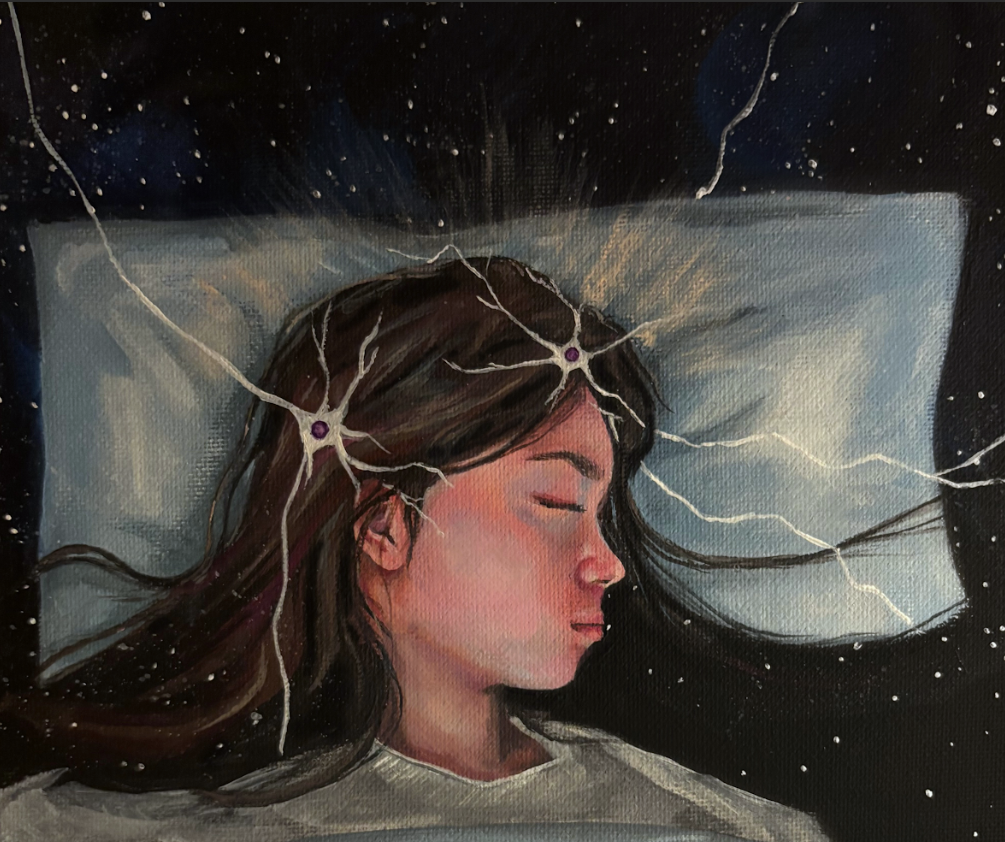
Have you ever felt like you’ve had a good night’s sleep, but woke up feeling tired and unable to concentrate? Or has the reverse happened, where you wake up feeling particularly refreshed after only a few hours of rest? You might wonder, exactly what function does sleep serve? Identifying a single reason why humans need sleep is difficult, but quantifying the benefits of sleep and the dangers of sleep deprivation is easy [1]. Sleep assists physical recovery, emotional stability, immune function, and cognitive processes such as learning and memory [1, 2, 3]. Consequently, a lack of sleep can have severe impacts on emotional states and cognition — even mild sleep deprivation is associated with lapses in attention, feelings of sleepiness, and slower reaction times [4]. The physical effects of sleep deprivation are also profound, including increased levels of stress hormones, decreased physical recovery after exercise due to inefficient muscle repair, and weight gain and obesity [3, 5, 6]. Despite the increasingly understood value of sleep, the modern world has gradually undergone a decrease in sleep duration [7]. In fact, more than 30% of Americans now receive less than the recommended minimum of seven to eight hours of sleep per night, which is considered to be a public health crisis [8]. Routine aspects of our daily life, like exposure to blue light from electronics, use of drugs and alcohol, and improper dietary habits, can decrease sleep performance and ultimately lead to sleep deprivation [9, 10, 11].

Not all Zzz’s Are Created Equal: The Science of Sleep Stages
Sleep is primarily controlled by circadian rhythms — biological processes that are influenced by external and internal factors that restart approximately every 24 hours [12]. Circadian rhythms, in conjunction with light availability, regulate when we go to bed and when we wake up through a process called the sleep-wake cycle [12]. Melatonin, a sleep-promoting hormone, is secreted throughout the circadian cycle, reaching its highest concentrations during nighttime hours [12, 13]. When sleep is misaligned with circadian rhythms, sleep tends to be of poor quality or insufficient [14]. Disruption of circadian rhythms may have long-lasting effects on sleep and lead to other health issues [15]. Therefore, an eight-hour sleep during the nighttime is more restorative than an eight-hour sleep during the day after staying up all night [14, 15].
Sleep is categorized into stages, each featuring different brain activity that can be visualized as electrical waves [16]. Brain waves are characterized by their frequency, and different types of waves are associated with varying levels of mental processing [17]. The sleep-wake cycle is generally divided into five stages, which are classified as either rapid eye movement (REM) or non-rapid eye movement (NREM) [18, 19]. Stage one of the sleep-wake cycle is wakefulness, when a person can move voluntarily and respond to stimuli such as someone speaking [16]. Wakefulness involves high-frequency brain waves, which are associated with complex mental tasks like logical reasoning [18, 19]. If we imagine brain wave frequencies as different forms of movement, wakefulness is running — the body is in an active and alert state [20]. The second stage, N1 (non-rapid eye movement stage 1), involves the transition from wakefulness to sleep and features slower frequency brain waves called theta waves [18, 19]. N1 is like jogging — your brain is still relatively active and working fairly hard, but not as hard as it was when you were fully awake. N1 progresses into N2, which describes a deeper stage of sleep where the body further relaxes and theta waves continue [19]. N2 accounts for the majority of time spent asleep, and might resemble speed walking: the brain continues to experience theta waves, but with greater body relaxation [19]. The fourth stage of sleep is N3, more commonly known as slow-wave sleep (SWS) [21]. Characterized by delta waves, which have a lower frequency compared to theta waves, SWS is considered ‘deep sleep’ as individuals are essentially unresponsive to mild external stimuli, such as footsteps or soft noises [21, 22]. SWS is like slow walking; brain activity is low and accompanied by bodily relaxation [21]. Following SWS is Stage 5, or REM sleep, which, unlike NREM sleep stages, is physiologically very similar to wakefulness [18, 23]. During the REM stage, respiratory rate, heart rate, and brain wave frequencies increase to levels resembling wakefulness, while the body becomes paralyzed except for rapidly moving eyes [1, 23]. REM is like running on a treadmill — your brain is highly active, almost as if you were awake, but your body remains in place [23]. The contrast of the hyperactive brain with the completely inactive body is why REM is often referred to as ‘paradoxical sleep’ [23]. REM and SWS are extremely valuable for mental and physical recovery, and together they account for about 50% of total sleep duration [18, 23]. Most sleep cycles last around 90 minutes, but the composition of each cycle varies [18]. Sleep cycles are initially composed of large amounts of SWS that decrease in subsequent cycles, while REM sleep dominates the later sleep cycles [18]. Thus, for any given night, individuals who do not sleep for long enough or whose sleep gets interrupted risk losing REM sleep [18, 24]. When we are short on REM sleep, our bodies attempt to ‘catch up’ by altering our sleep to have longer stages of REM [23]. This process, called REM rebound, ensures that REM sleep is properly regulated long-term [23]. Continuous REM sleep is also important, as interruptions, such as waking up or temporarily entering non-REM sleep stages, can have adverse effects on sleep quality [25, 26].
More Than Beauty Sleep: Why REM and SWS Sleep Matter
Sleep quality is key to reaping the cognitive and physical benefits of SWS and REM sleep [18, 21]. SWS is heavily involved in memory, cognition, and especially physical restoration [21]. It is the only stage of sleep associated with subjective feelings of being well rested, which is largely attributed to the release of human growth hormone (hGH) during this stage [18, 21]. While hGH is commonly associated with physical growth in children, it is also involved in rebuilding muscular tissue after exercise or general strain [3, 21, 27]. In addition to promoting physical restoration, SWS plays a valuable role in consolidating consciously recalled information such as facts and memories of events [21, 28]. Therefore, if you stay up late and sacrifice SWS to study for a big exam, you may actually be harming your ability to store information.
REM also plays a key role in memory formation [18]. REM sleep ‘refines’ memories by minimizing background activity in the brain, while increasing the activity of brain cells called neurons that are necessary for storing learned or trained information [18]. Just like turning down the volume of the TV when you answer a phone call, decreasing the overall noise allows the subject of focus to be better understood. Furthermore, REM sleep ‘rescues’ memories that may otherwise have been forgotten by making strong and weak memories equally retrievable and less vulnerable to interference [18]. Memory interference occurs when memories with similar features overlap [29]. One might inadvertently recall details of similar experiences instead of the desired event. For example, if you are trying to remember specific details from your birthday five years ago, events from different birthdays may distort your recollection. Decreased interference is likely due to the selective activation of neurons during REM sleep, which limits the activity of neurons that are not necessary for prioritized information [18]. In this process, REM sleep limits neural overlap, storing only the important details of each memory [18]. The retrieval and consolidation of memories influence subconscious experiences that, upon waking, we remember as dreams [30]. From dreaming to remembering, REM sleep is vital for our cognitive functioning and learning processes [18].

Dream on: The Nightmarish Consequences of Sleep Deprivation
Pulling an all-nighter to finish an assignment, working a night shift, or staying up to finish binge-watching a TV series are just some of the ways we can end up with insufficient sleep. The cognitive, physical, and mental benefits of sleep are necessary for a healthy lifestyle, which explains why sleep deprivation — consistent insufficient sleep leading to difficulty staying awake during the day — can have such catastrophic effects [4, 14, 31]. In the workplace, sleep deprivation has been found to substantially decrease efficiency and increase accident risks, with daytime sleepiness directly linked to injuries and task mistakes [4, 14]. In fact, employee exhaustion is actually more predictive of fatal accidents than the hectic nature of the job or the amount of physical labor required [6]. Disruption of the circadian rhythm and subsequent sleep deprivation are thought to be indirectly responsible for some of the most disastrous workplace mistakes in history, such as the nuclear accident at Chernobyl and the Exxon Valdez oil spill [14].
Beyond the workplace, many undesirable behaviors are connected to sleep deprivation; the severity of sleep deprivation is associated with proportional decreases in reaction time and increased instances of lapses in attention [6]. Inadequate sleep can also have detrimental emotional effects, such as a lack of social and emotional awareness, while predisposing individuals toward impulsive and risk-taking behaviors [2]. Even a single night of insufficient sleep can lead to depressed mood, anxiety, anger, and confusion the following day [32]. Lack of sleep is also responsible for accidents involving everyday tasks like driving; 20% of injuries from car accidents can be attributed to driver sleepiness [33]. Whether long-term or short-term, the cognitive, behavioral, and emotional consequences of sleep deprivation are broad and severe [6, 32].
Consistent sleep deprivation causes hormonal imbalances in the body, which can lead to elevated levels of stress hormones and emotional volatility [33]. Thus, mood disorders such as depression are common among individuals with chronic sleeping issues [33]. Sleep deprivation alters perception of social events, often leading to negative outlooks and voluntary isolation [34]. People who are sleep deprived are more likely to enter social events with negative expectations or even avoid them entirely [34]. These effects are especially detrimental in adolescents, whose brains are not yet fully developed [34, 35]. Adolescents suffering from sleep deprivation report feeling less connected to their peers compared to people with proper sleeping habits [34]. Furthermore, they are more likely to have an enhanced perception of loneliness following social activity [34]. Many adolescents struggle with emotional disorders resulting from a lack of sleep, as sleeping less than 6 hours every school night substantially increases the risk of developing anxiety and depression just one year later [35]. Sleep deprivation is also associated with self-harm and suicidal ideation; the likelihood of an individual planning to commit suicide increases by 11% for every hour of sleep below the recommended 8-9 hours [35]. The relationship between depressive symptoms and sleep deprivation elucidates the value of sleep in promoting mental health [34, 35].
In addition to the behavioral consequences of sleep deprivation, failure to get sufficient sleep can lead to the development of various physical health issues [33, 36]. Sleep deprivation is a known risk factor for high blood pressure, which can predispose individuals to cardiovascular disease and heart failure [37]. Extended periods of wakefulness cause increased activity of the sympathetic nervous system, which is perhaps best known for activating the fight-or-flight response and the release of adrenaline [36, 38]. Enhanced release of adrenaline as a result of prolonged wakefulness not only increases blood pressure, but can also cause elevated heart rate and respiratory frequency [37]. Weight gain is another potential consequence of sleep deprivation, as lack of sleep decreases the secretion of leptin, a hormone that promotes satiety, and increases levels of ghrelin, a hormone that promotes feeling hungry [39, 40]. Frequently interrupted sleep is thought to be associated with increased unhealthy eating habits and weight gain, further supporting how lack of sleep can have detrimental health effects [33].
Habitual sleep deprivation can also predispose individuals to neurodegenerative diseases [12, 41]. With enough SWS, your brain is better able to remove waste proteins called amyloid-beta proteins and prevent them from forming harmful clusters [42]. Amyloid-beta proteins are naturally occurring and accumulate as a byproduct of brain activity when individuals are awake [43, 44]. Importantly, the build-up of amyloid-beta proteins can lead to structural impairments in the brain associated with Alzheimer’s Disease [43]. By creating an environment with consistently reduced neuronal activity, sleep plays a crucial role in decreasing amyloid-beta protein levels in the cerebral spinal fluid (CSF) — the primary fluid of the brain and spinal cord responsible for protecting the brain from physical stress and draining waste [43, 44]. In particular, SWS increases CSF to the glymphatic system, which is responsible for removing neurotoxic waste such as amyloid-beta proteins [42, 45]. However, if sleep cycles are frequently interrupted, this removal process cannot occur, and amyloid-beta protein can build up in the CSF, which can increase the risk for neurodegenerative diseases like Alzheimer's Disease [43]. Thus, sleep is essential to perform regular maintenance that may prevent the development of diseases [33].
Patterns of insufficient sleep are also implicated in the development of serious diseases by weakening the immune system (46). In animal models, sleep deprivation leads to a decrease in immune cells that are responsible for recognizing and terminating diseased or cancerous cells in the body (46). Thus, sleep deprivation in humans is associated with higher cancer risk, but causality is uncertain [33]. Another contributing factor for cancer risk is impaired melatonin regulation, which results from circadian misalignment [33, 46]. Although primarily known as the sleep-promoting hormone, melatonin is also implicated in DNA repair and tumor growth suppression [33]. This association may explain why nightshift workers who consistently sleep outside of their circadian rhythms are at a higher risk of developing cancer [33, 46]. Decreased levels of melatonin secretion may contribute to the immunosuppressant effects of sleep deprivation, potentially leading to the development of cancer and the acceleration of tumor growth [33].
Maximizing Your Zzz-Potential: The Dos and Don'ts of Sleep
We are often told to ‘get our eight hours,’ yet we rarely consider the daily factors that can affect our sleep health. For example, caffeine reduces the production of 6-sulfatoxymelatonin, one of the main compounds necessary to make melatonin, thereby decreasing melatonin production [47]. Caffeine promotes wakefulness by blocking the effects of adenosine, which is a byproduct of energy use in the brain [48]. Typically, adenosine binds to proteins that recognize and bind to specific target molecules, called receptors, which is thought to result in increased sleepiness [48, 49]. Caffeine inhibits the ability of adenosine to bind to receptors, negating the effectiveness of feedback loops in the brain that associate long periods of wakefulness with the need to sleep [48]. Screen use is another daily habit that can significantly impact sleep health [9]. You may have learned that screens emit blue light, possibly even while scrolling on your phone at night, but its negative effects are often misunderstood [9]. Blue light is a natural component of the light spectrum and is even beneficial in the sleep-wake cycle during the beginning and middle of the day to promote wakefulness [50]. However, nighttime exposure to common electronics such as smartphones and computers can disrupt circadian rhythms by suppressing melatonin release and increasing wakefulness [9]. Hence, using electronic devices before going to bed can increase the time it takes to fall asleep and negatively affect sleep quality [51]. Decreasing blue light exposure 90 minutes before bedtime has been linked to decreased time to fall asleep and increased total sleep duration [51]. Thus, caffeine consumption and screen usage are two daily habits that have adverse effects on sleeping ability due to their negative effects on circadian rhythms [47, 51].
It probably comes as no surprise that consuming drugs and alcohol can significantly decrease sleep duration and quality [10]. Even moderate alcohol consumption has been found to decrease REM sleep, overall sleep duration, and sleep quality, and these effects are even more pronounced after drinking heavily [10]. In the first one or two sleep cycles, which typically occur while the individual is still intoxicated, SWS and REM levels usually appear relatively normal [10]. However, as blood alcohol content decreases, the individual spends significantly more time in light sleep phases than normal, and REM sleep is frequently interrupted by wake events [10]. Therefore, in addition to experiencing less total sleep, alcohol intoxication causes individuals to experience more light sleep instead of other stages associated with more cognitive and physical restoration, such as REM and SWS [10]. The effects of cannabinoids such as tetrahydrocannabinol (THC) are more complex; chronic usage is detrimental, but short-term use is not as overwhelmingly negative [52]. While short-term THC use is thought to increase levels of SWS and reduce wake events, functioning as somewhat of a sedative, it also decreases REM duration [52]. Conversely, chronic THC use has been associated with decreases in both SWS and REM duration, as well as decreased overall sleep time [52]. Thus, although cannabinoids may promote sleep in the short term, their beneficial effects are negated when a tolerance is developed, and sleeping ultimately becomes more difficult [52, 53].
By contrast, sleep performance can be improved through healthy eating and exercise habits [9, 11]. Melatonin promotes sleep by expediting the transition from wakefulness to sleep, increasing overall sleep duration by allowing individuals to fall asleep faster [13]. Foods rich in melatonin, such as cherries, fish, and eggs, as well as supplements, can be beneficial for sleep [11, 13, 54]. However, the safety of long-term supplemental melatonin use is unclear — everyday use in adolescence is suspected to have mild, adverse effects on hormonal balance during puberty [55]. Exercise is also known to affect sleep by altering the composition of sleep cycles and promoting increased total sleep duration [12]. Since physical activity induces exhaustion and muscular fatigue, it has also been associated with an increased percentage of SWS in the following night [56, 57]. This connection is likely due to the necessity of hGH to promote recovery in muscles exercised during strenuous activity [56]. As a result of the increase in SWS, it follows that exercise can lead to subjective feelings of being well rested the following day [18, 56]. Thus, regular exercise and consuming melatonin-rich foods are both beneficial lifestyle choices for maximizing sleep health [11, 12].
Don’t Hit Snooze on the Benefits of Sleep
Sufficient sleep is an essential component of cognition, physical recovery, emotional balance, and disease prevention [18, 33, 36]. Decrease in sleep can be attributed to consumption of caffeine, drugs, and alcohol, as well as screen usage [10, 47, 51]. As contemporary research continues to reveal the importance of proper sleep habits, sleep deprivation and excessive daytime sleepiness remain significant problems in the United States [58]. The consequences of this sleep shortage are staggering: sleep deprivation contributes to impaired judgement and memory, increased risk of neurodegenerative diseases, and weakening of the immune system [43, 46, 59]. The value of proper sleep health must be emphasized now more than ever, as our present habits seem to be in complete contradiction with prioritizing sleep. You might think you are ‘surviving on five,’ but imagine what you could do if you were properly rested.
References
Freiberg A. S. (2020). Why We Sleep: A Hypothesis for an Ultimate or Evolutionary Origin for Sleep and Other Physiological Rhythms. Journal of circadian rhythms, 18, 2. doi:10.5334/jcr.189.
Krause, A. J., Simon, E. B., Mander, B. A., Greer, S. M., Saletin, J. M., Goldstein-Piekarski, A. N., & Walker, M. P. (2017). The sleep-deprived human brain. Nature Reviews Neuroscience, 18(7), 404–418. doi:10.1038/nrn.2017.55.
Doherty, R., Madigan, S. M., Nevill, A., Warrington, G., & Ellis, J. G. (2021). The Sleep and Recovery Practices of Athletes. Nutrients, 13(4), 1330. doi:10.3390/nu13041330.
Grant, L. K., Gonsalvez, I., Cohn, A. Y., Nathan, M. D., Harder, J. A., Klerman, E. B., Scheer, F. A. J. L., Kaiser, U. B., Crawford, S., Luo, T., Wiley, A., Rahman, S. A., & Joffe, H. (2024). The effect of experimentally induced sleep fragmentation and estradiol suppression on neurobehavioral performance and subjective sleepiness in premenopausal women. Sleep, 47(8), zsae130. doi:10.1093/sleep/zsae130.
Depner, C. M., Melanson, E. L., Eckel, R. H., Higgins, J. A., Bergman, B. C., Perreault, L., Knauer, O. A., Birks, B. R., & Wright, K. P. (2021). Effects of ad libitum food intake, insufficient sleep and weekend recovery sleep on energy balance. Sleep, 44(11), zsab136. doi:10.1093/sleep/zsab136.
Pilcher, J. J., & Morris, D. M. (2020). Sleep and Organizational Behavior: Implications for Workplace Productivity and Safety. Frontiers in psychology, 11, 45. doi:10.3389/fpsyg.2020.00045.
Hoyos, C., Glozier, N. & Marshall, N.S. Recent Evidence on Worldwide Trends on Sleep Duration. Curr Sleep Medicine Rep 1, 195–204 (2015). doi:10.1007/s40675-015-0024-x.
Barnes, C. M., & Drake, C. L. (2015). Prioritizing Sleep Health: Public Health Policy Recommendations: Public Health Policy Recommendations. Perspectives on Psychological Science, 10(6), 733-737. doi:10.1177/1745691615598509.
Vethe, D., Drews, H. J., Scott, J., Engstrøm, M., Heglum, H. S. A., Grønli, J., Wisor, J. P., Sand, T., Lydersen, S., Kjørstad, K., Faaland, P. M. P., Vestergaard, C. L., Langsrud, K., & Kallestad, H. (2022). Evening light environments can be designed to consolidate and increase the duration of REM-sleep. Scientific reports, 12(1), 8719. doi:10.1038/s41598-022-12408-w.
He, S., Hasler, B. P., & Chakravorty, S. (2019). Alcohol and sleep-related problems. Current opinion in psychology, 30, 117–122. doi:10.1016/j.copsyc.2019.03.007.
Binks, H., E Vincent, G., Gupta, C., Irwin, C., & Khalesi, S. (2020). Effects of Diet on Sleep: A Narrative Review. Nutrients, 12(4), 936. doi:10.3390/nu12040936.
Shen, Y., Lv, Q. K., Xie, W. Y., Gong, S. Y., Zhuang, S., Liu, J. Y., Mao, C. J., & Liu, C. F. (2023). Circadian disruption and sleep disorders in neurodegeneration. Translational neurodegeneration, 12(1), 8. doi:10.1186/s40035-023-00340-6.
Cruz-Sanabria, F., Carmassi, C., Bruno, S., Bazzani, A., Carli, M., Scarselli, M., & Faraguna, U. (2023). Melatonin as a Chronobiotic with Sleep-promoting Properties. Current neuropharmacology, 21(4), 951–987. doi:10.2174/1570159X20666220217152617.
Ruggiero, J. S., & Redeker, N. S. (2014). Effects of napping on sleepiness and sleep-related performance deficits in night-shift workers: a systematic review. Biological research for nursing, 16(2), 134–142. doi:10.1177/1099800413476571.
Hasan, S., Foster, R. G., Vyazovskiy, V. V., & Peirson, S. N. (2018). Effects of circadian misalignment on sleep in mice. Scientific Reports, 8(1), 15343. doi:10.1038/s41598-018-33480-1.
Scammell, T. E., Arrigoni, E., & Lipton, J. O. (2017). Neural Circuitry of Wakefulness and Sleep. Neuron, 93(4), 747–765. doi:10.1016/j.neuron.2017.01.014.
Gong, Z.-Q., & Zuo, X.-N. (2024). Cortical activations in cognitive task performance at multiple frequency bands. Cerebral Cortex, 34(12). doi:10.1093/cercor/bhae489.
Shuster, A. E., Morehouse, A., McDevitt, E. A., Chen, P. C., Whitehurst, L. N., Zhang, J., Sattari, N., Uzoigwe, T., Ekhlasi, A., Cai, D., Simon, K., Niethard, N., & Mednick, S. C. (2025). REM refines and rescues memory representations: a new theory. Sleep advances : a journal of the Sleep Research Society, 6(1), zpaf004. doi:10.1093/sleepadvances/zpaf004.
Wara, T. U., Fahad, A. H., Das, A. S., & Shawon, M. M. H. (2025). A systematic review on sleep stage classification and sleep disorder detection using artificial intelligence. Heliyon, 11(12), e43576. doi:10.1016/j.heliyon.2025.e43576.
Chiu, C.-A., Lu, M.-C., Zhong, Y.-L., Tsai, T.-Y., Liu, C.-J., & Ho, M.-C. (2023). Quantifying and Analyzing Brainwave Electroencephalography with Welch’s Method. Sensors and Materials, 35(5), 1579. doi:10.18494/sam4065.
Ishii, T., Pahnwat Tonya Taweesedt, Chick, C. F., O’Hara, R., & Kawai, M. (2024). From macro to micro: slow-wave sleep and its pivotal health implications. Frontiers in Sleep, 3. doi:10.3389/frsle.2024.1322995.
Coenen, A. (2024). Sensory gating and gaining in sleep: the balance between the protection of sleep and the safeness of life (a review). Journal of Sleep Research, 33(5). doi:10.1111/jsr.14152.
Park, S. H., & Weber, F. (2020). Neural and Homeostatic Regulation of REM Sleep. Frontiers in psychology, 11, 1662. doi:10.3389/fpsyg.2020.01662.
Barbato, G. (2021). REM Sleep: An Unknown Indicator of Sleep Quality. International Journal of Environmental Research and Public Health, 18(24), 12976. doi:10.3390/ijerph182412976.
Grafe, L., Miller, K. E., Ross, R. J., & Bhatnagar, S. (2023). The importance of REM sleep fragmentation in the effects of stress on sleep: Perspectives from preclinical studies. Neurobiology of stress, 28, 100588. doi:10.1016/j.ynstr.2023.100588.
Habukawa, M., Uchimura, N., Maeda, M., Ogi, K., Hiejima, H., & Kakuma, T. (2018). Differences in rapid eye movement (REM) sleep abnormalities between posttraumatic stress disorder (PTSD) and major depressive disorder patients: REM interruption correlated with nightmare complaints in PTSD. Sleep Medicine, 43, 34–39. doi:10.1016/j.sleep.2017.10.012.
Erlacher, D., & Vorster, A. (2023). Sleep and muscle recovery – Current concepts and empirical evidence. Current Issues in Sport Science (CISS), 8(2), 058. doi:10.36950/2023.2ciss058.
Bird, C. M. (2017). The role of the hippocampus in recognition memory. Cortex, 93, 155–165. doi:10.1016/j.cortex.2017.05.016.
Chanales, A. J. H., Dudukovic, N. M., Richter, F. R., & Kuhl, B. A. (2019). Interference between overlapping memories is predicted by neural states during learning. Nature Communications, 10(1), 5363. doi:10.1038/s41467-019-13377-x.
Chen, Z., & Wilson, M. A. (2017). Deciphering Neural Codes of Memory during Sleep. Trends in Neurosciences, 40(5), 260–275. doi:10.1016/j.tins.2017.03.005.
Liew, S. C., & Aung, T. (2021). Sleep deprivation and its association with diseases- a review. Sleep Medicine, 77, 192-204. doi:10.1016/j.sleep.2020.07.048.
Short, M. A., & Louca, M. (2015). Sleep deprivation leads to mood deficits in healthy adolescents. Sleep Medicine, 16(8), 987-993. doi:10.1016/j.sleep.2015.03.007.
Medic, G., Wille, M., & Hemels, M. E. (2017). Short- and long-term health consequences of sleep disruption. Nature and Science of Sleep, 9, 151. doi:10.2147/NSS.S134864.
Mi, Y., & Lei, X. (2023). Sleep loss and lack of social interaction: a summary interview. Brain-Apparatus Communication: A Journal of Bacomics, 2(1). doi:10.1080/27706710.2022.2163593.
Uccella, S., Cordani, R., Salfi, F., Gorgoni, M., Scarpelli, S., Gemignani, A., Geoffroy, P. A., De Gennaro, L., Palagini, L., Ferrara, M., & Nobili, L. (2023). Sleep Deprivation and Insomnia in Adolescence: Implications for Mental Health. Brain Sciences, 13(4), 569. doi:10.3390/brainsci13040569.
Makarem, N., Alcántara, C., Williams, D. R., Bello, N. T., & Abdalla, S. (2021). Effect of sleep disturbances on blood pressure. Hypertension, 77(3), 692-699. doi:10.1161/HYPERTENSIONAHA.120.14479.
Sá Gomes e Farias, A. V., De Lima Cavalcanti, M. P., De Passos Junior, M. A., & Vechio Koike, B. D. (2022). The association between sleep deprivation and arterial pressure variations: A systematic literature review. Sleep Medicine: X, 4, 100042. doi:10.1016/j.sleepx.2022.100042.
M Verberne, A. J., Korim, W. S., Sabetghadam, A., & Llewellyn-Smith, I. J. (2016). Adrenaline: Insights into its metabolic roles in hypoglycaemia and diabetes. British Journal of Pharmacology, 173(9), 1425-1437. doi:10.1111/bph.13458.
Kim, T. W., Jeong, H., & Hong, C. (2015). The Impact of Sleep and Circadian Disturbance on Hormones and Metabolism. International Journal of Endocrinology, 2015, 591729. doi:10.1155/2015/591729,
Van Egmond, L. T., S. Meth, E. M., Engström, J., Ilemosoglou, M., Keller, J. A., Vogel, H., & Benedict, C. (2023). Effects of acute sleep loss on leptin, ghrelin, and adiponectin in adults with healthy weight and obesity: A laboratory study. Obesity, 31(3), 635-641. doi:10.1002/oby.23616.
Ooms, S., Bollen, J., van der Meij, A., van Waalwijk, V., Prins, N., Clare, L., Yaffe, K., van der Flier, W. M., Scheltens, P., & Swaab, D. F. (2014). Effect of 1 night of total sleep deprivation on cerebrospinal fluid β-amyloid 42 in healthy middle-aged men: A randomized clinical trial. JAMA Neurology, 71(8), 971–977. doi:10.1001/jamaneurol.2014.1875833.
Lyckenvik, T., Olsson, M., Forsberg, M., Wasling, P., Zetterberg, H., Hedner, J., & Hanse, E. (2025). Sleep reduces CSF concentrations of beta-amyloid and tau: A randomized crossover study in healthy adults. Fluids & Barriers of the CNS, 22(1), 84. doi:10.1186/s12987-025-00698-x.
Lucey, B. P., Hicks, T. J., McLeland, J. S., Toedebusch, C. D., Boyd, J., Elbert, D. L., Patterson, B. W., Baty, J., Morris, J. C., Ovod, V., Mawuenyega, K. G., & Bateman, R. J. (2018). Effect of sleep on overnight cerebrospinal fluid amyloid β kinetics. Annals of neurology, 83(1), 197–204. doi:10.1002/ana.25117.
Winer, J. R., Mander, B. A., Kumar, S., Reed, M., Baker, S. L., Jagust, W. J., & Walker, M. P. (2020). Sleep disturbance forecasts β-amyloid accumulation across subsequent years. Current Biology, 30(19), R1234–R1235. doi:10.1016/j.cub.2020.08.017.
Verghese, J. P., Terry, A., De Natale, E. R., & Politis, M. (2022). Research Evidence of the Role of the Glymphatic System and Its Potential Pharmacological Modulation in Neurodegenerative Diseases. Journal of Clinical Medicine, 11(23), 6964. doi:10.3390/jcm11236964.
Berisha, A., Shutkind, K., & Borniger, J. C. (2022). Sleep Disruption and Cancer: Chicken or the Egg? Frontiers in Neuroscience, 16, 856235. doi:10.3389/fnins.2022.856235.
O’Callaghan, F., Muurlink, O., & Reid, N. (2018). Effects of caffeine on sleep quality and daytime functioning. Risk Management and Healthcare Policy, 11, 263–271. doi:10.2147/RMHP.S156404.
Reichert, C. F., Deboer, T., & Landolt, P. (2022). Adenosine, caffeine, and sleep–wake regulation: State of the science and perspectives. Journal of Sleep Research, 31(4), e13597. doi:10.1111/jsr.13597.
Harris, J. R., & Marles-Wright, J. (Eds.). (2019). Macromolecular Protein Complexes II: Structure and Function (Subcellular Biochemistry, Vol. 93). Springer. doi:10.1007/978-3-030-28151-9.
Mainster, M. A., Findl, O., Dick, H. B., Desmettre, T., Ledesma-Gil, G., Curcio, C. A., & Turner, P. L. (2022). The Blue Light Hazard Versus Blue Light Hype. American Journal of Ophthalmology, 240, 51-57. doi:10.1016/j.ajo.2022.02.016.
Janků, K., Šmotek, M., Fárková, E., & Kopřivová, J. (2019). Block the light and sleep well: Evening blue light filtration as a part of cognitive behavioral therapy for insomnia. Chronobiology International, 37(2), 248–259. doi:10.1080/07420528.2019.1692859.
Kaul, M., Zee, P. C., & Sahni, A. S. (2021). Effects of Cannabinoids on Sleep and their Therapeutic Potential for Sleep Disorders. Neurotherapeutics, 18(1), 217. doi:10.1007/s13311-021-01013-w.
Babson, K. A., Sottile, J., & Morabito, D. (2017). Cannabis, cannabinoids, and sleep: A review of the literature. Current Psychiatry Reports, 19, 23. doi:10.1007/s11920-017-0775-9.
Meng, X., Li, Y., Li, S., Zhou, Y., Gan, R., Xu, D., & Li, H. (2017). Dietary Sources and Bioactivities of Melatonin. Nutrients, 9(4), 367. doi:10.3390/nu9040367.
Händel, M. N., Andersen, H. K., Ussing, A., Virring, A., Jennum, P., Debes, N. M., Laursen, T., Baandrup, L., Gade, C., Dettmann, J., Holm, J., Krogh, C., Birkefoss, K., Tarp, S., Bliddal, M., & Edemann-Callesen, H. (2023). The short-term and long-term adverse effects of melatonin treatment in children and adolescents: A systematic review and GRADE assessment. EClinicalMedicine, 61, 102083. doi:10.1016/j.eclinm.2023.102083.
Chennaoui, M., Arnal, P. J., Sauvet, F., & Léger, D. (2015). Sleep and exercise: A reciprocal issue? Sleep Medicine Reviews, 20, 59-72. doi:10.1016/j.smrv.2014.06.008.
Park, I., Díaz, J., Matsumoto, S., Iwayama, K., Nabekura, Y., Ogata, H., Kayaba, M., Aoyagi, A., Yajima, K., Satoh, M., Tokuyama, K., & Vogt, K. E. (2021). Exercise improves the quality of slow-wave sleep by increasing slow-wave stability. Scientific Reports, 11, 4410. doi:10.1038/s41598-021-83817-6.
Rubin, A., Mangal, R., Stead, T. S., Walker, J., & Ganti, L. (2023). The extent of sleep deprivation and daytime sleepiness in young adults. Health Psychology Research, 11. https://doi.org/10.52965/001c.74555
Khan, M. A., & Al-Jahdali, H. (2023). The consequences of sleep deprivation on cognitive performance. Neurosciences, 28(2), 91–99. 10.17712/nsj.2023.2.20220108.